
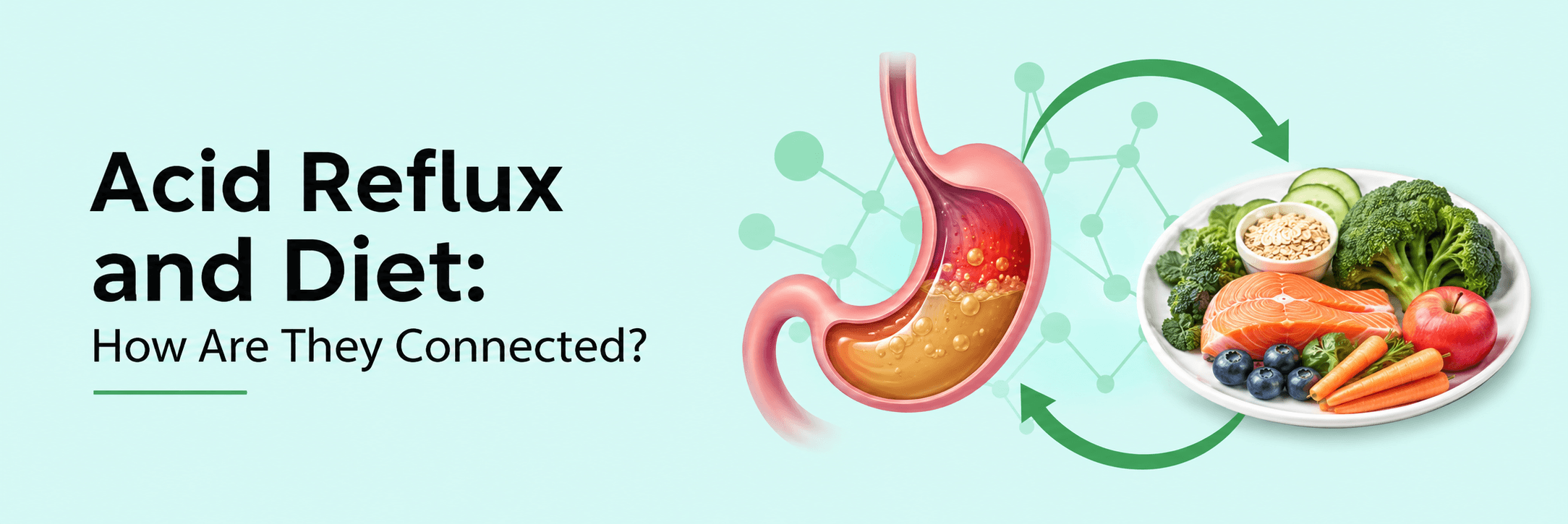
Acid reflux is one of the most common digestive concerns affecting people of all ages. It can cause a burning sensation in the chest, an unpleasant taste in the mouth, and discomfort after meals. While occasional acid reflux is common, frequent episodes may indicate an underlying digestive issue that deserves attention.
One of the biggest factors influencing acid reflux is your diet. The foods you eat, the portions you consume, and even your eating habits can all play a role in managing or triggering symptoms.
At Wishful Healing, we believe that supporting digestive health through nutrition and healthy lifestyle choices is an important step toward overall wellness.
What Is Acid Reflux?
Acid reflux occurs when stomach acid flows back into the esophagus, the tube that carries food from the mouth to the stomach. This backward flow can irritate the lining of the esophagus and cause symptoms such as:
- Heartburn (a burning sensation in the chest)
- Sour or bitter taste in the mouth
- Regurgitation of food or liquid
- Difficulty swallowing
- Chronic cough
- Sore throat or hoarseness
If these symptoms occur frequently, they may be associated with Gastroesophageal Reflux Disease (GERD), a condition that should be evaluated by a healthcare professional.
How Does Diet Affect Acid Reflux?
Your diet can directly influence how much stomach acid is produced and how well your digestive system functions. Certain foods may relax the lower esophageal sphincter (LES)—the muscle that prevents stomach acid from moving upward—making reflux more likely.
Eating large meals, eating too quickly, or lying down immediately after eating can also increase the risk of acid reflux.
Foods That May Trigger Acid Reflux
While triggers vary from person to person, some commonly reported foods include:
- Spicy foods
- Fried and fatty foods
- Citrus fruits
- Tomatoes and tomato-based products
- Chocolate
- Peppermint
- Carbonated beverages
- Coffee and caffeinated drinks
- Alcohol
Keeping a food diary can help identify personal trigger foods.
Foods That May Help Support Digestive Comfort
Many people find that choosing nutrient-rich, easy-to-digest foods helps reduce discomfort.
These may include:
- Oatmeal
- Bananas
- Melons
- Leafy green vegetables
- Brown rice
- Lean chicken or fish
- Yogurt (if well tolerated)
- Ginger
A balanced diet rich in whole foods may help support healthy digestion.
Healthy Eating Habits for Managing Acid Reflux
Simple lifestyle changes can make a significant difference.
Eat Smaller Meals
Large meals place extra pressure on the stomach, increasing the likelihood of acid reflux.
Avoid Eating Late at Night
Try to finish your last meal at least two to three hours before bedtime to give your stomach enough time to digest food.
Eat Slowly
Eating slowly and chewing food thoroughly can improve digestion and reduce unnecessary strain on the digestive system.
Stay Hydrated
Drinking enough water throughout the day supports healthy digestion, but avoid drinking excessive amounts during meals if it worsens your symptoms.
Maintain a Healthy Weight
Excess body weight may increase pressure on the stomach, making reflux symptoms more frequent.
Lifestyle Changes That May Help
Along with dietary improvements, these habits may support digestive health:
- Avoid lying down immediately after meals.
- Wear loose-fitting clothing around the waist.
- Limit smoking and alcohol consumption.
- Manage stress through relaxation techniques.
- Include regular physical activity in your daily routine.
When Should You See a Healthcare Professional?
Occasional acid reflux is common, but you should seek medical advice if you experience:
- Frequent heartburn (more than twice a week)
- Difficulty swallowing
- Persistent chest discomfort
- Unexplained weight loss
- Ongoing nausea or vomiting
A healthcare professional can determine the underlying cause and recommend appropriate treatment.
A Holistic Approach to Digestive Wellness
Healthy digestion involves more than avoiding certain foods. Nutrition, stress management, sleep, physical activity, and mindful eating all contribute to a balanced digestive system.
At Wishful Healing, we encourage individuals to take a holistic approach to digestive wellness by focusing on sustainable lifestyle habits that support long-term health.
The connection between acid reflux and diet is well established. While certain foods may trigger symptoms, healthy eating habits and lifestyle changes can often help improve digestive comfort and overall well-being.
If acid reflux is affecting your daily life, identifying dietary triggers and seeking professional guidance can help you develop a personalized plan for better digestive health.
If you need any additional help, please call +91-7973909015 to book a consultation.
Frequently Asked Questions (FAQs)
Can diet really cause acid reflux?
Diet is one of the most common factors associated with acid reflux. Certain foods and eating habits may trigger symptoms or make them worse in some individuals.
What foods should I avoid if I have acid reflux?
Common trigger foods include spicy foods, fried foods, citrus fruits, tomatoes, chocolate, coffee, carbonated drinks, and alcohol. However, triggers can vary from person to person.
What foods are good for acid reflux?
Foods such as oatmeal, bananas, leafy greens, melons, lean proteins, brown rice, and ginger are often well tolerated and may support digestive comfort.
Can eating late at night make acid reflux worse?
Yes. Lying down soon after eating can increase the risk of stomach acid flowing back into the esophagus. It’s generally recommended to wait at least two to three hours before going to bed.
Can stress affect acid reflux?
Stress may not directly cause acid reflux, but it can worsen symptoms in some people. Managing stress through relaxation techniques, exercise, and adequate sleep may help improve digestive well-being.
Isacid reflux the same as GERD?
No. Acid reflux refers to occasional episodes of stomach acid moving into the esophagus, while GERD (Gastroesophageal Reflux Disease) is a chronic condition where reflux occurs frequently and may require medical treatment.
When should I see a doctor for acid reflux?
You should consult a healthcare professional if you experience frequent heartburn, difficulty swallowing, persistent chest discomfort, unexplained weight loss, or symptoms that do not improve with dietary and lifestyle changes.