Home

Gut Health / Gut Repair
Gut health isn’t just about digestion—it affects immunity, mood, energy, and even skin.
Consult Now
Kids Development
Child (Kids) development refers to how children grow physically, mentally, emotionally, and socially from birth through adolescence.
Consult Now
Stress & Anxiety Management
Managing stress and anxiety isn’t about eliminating them completely—it’s about learning how to regulate your mind
Consult Now
Pre Pregnancy Preparation
Preparing for pregnancy (pre-pregnancy care) is one of the best things you can do for a healthy baby and a smooth pregnancy.
Consult Now

About Me

Doctor of Ayurveda, Naturopathy, Functional medicine, CBT, CST, diet and lifestyle coach

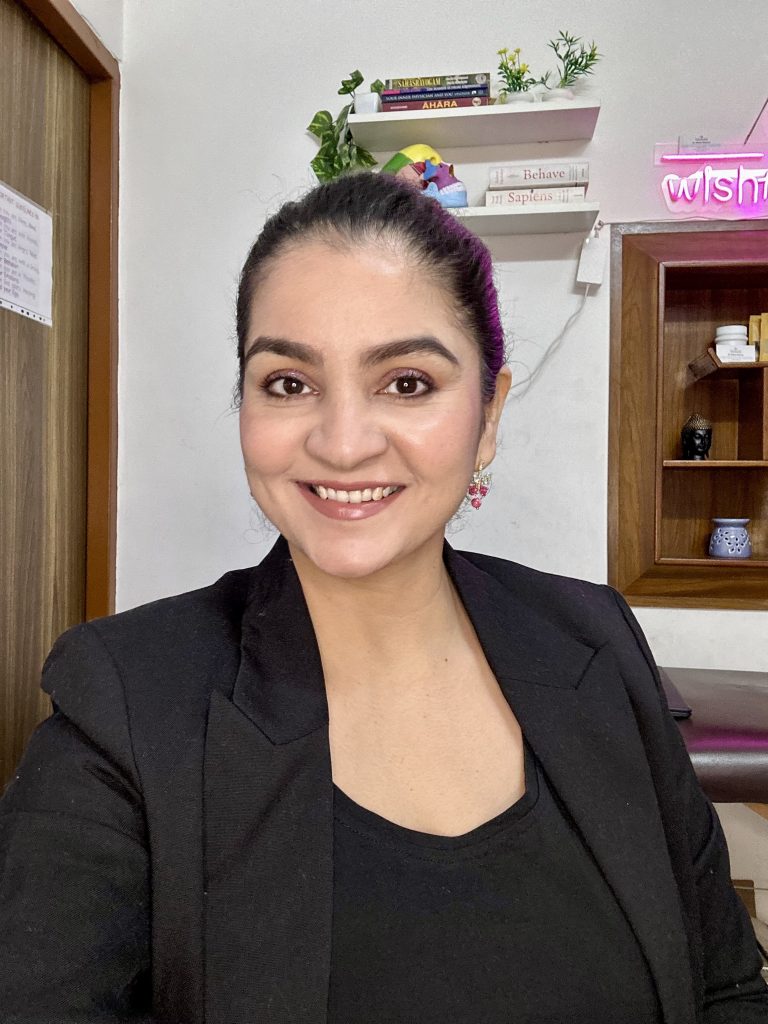
Hello I am Dr. Risha Sharma, Ayurvedic physician, naturopath, functional medicine practitioner and founder of Wishfulhealing Clinic, Chandigarh.

For the past 11 years, I have had the privilege of working directly with individuals across the globe, with a special focus on children on the autism spectrum and their families. 

Through consultations, personalized support programs, and collaborative efforts in diverse cultural and geographic settings, I have witnessed firsthand the challenges many face, including gastrointestinal issues that often accompany autism. These real-world experiences have deepened my understanding of how the trillions of microbes in our gut—collectively known as the gut microbiome—play a pivotal role far beyond digestion.

Emerging research continues to illuminate the gut-brain axis: the bidirectional communication pathway linking our intestinal microbes to brain function, behavior, and neurodevelopment. Studies show that children with autism frequently exhibit distinct microbiome profiles,..

Our Services

Wishfulhealing Services

Gut Health / Gut Repair
Gut health isn’t just about digestion—it affects immunity, mood, energy, and even skin.
Autoimmune Disorders
An autoimmune disorder is a condition where your body’s immune system—meant to protect you from infections
Kids
Development
Child (Kids) development refers to how children grow physically, mentally, emotionally, and socially from birth through adolescence.
Hormonial Imbalance
Hormonal imbalance means that the levels of hormones in your body are either too high or too low, which can disrupt normal body functions.
Women's
Health
Women’s health covers physical, mental, and reproductive well-being across different life stages—from adolescence to menopause and beyond.
Stress & Anxiety Management
Managing stress and anxiety isn’t about eliminating them completely—it’s about learning how to regulate your mind
Skin Disease / Skin Health
Skin health is about keeping your skin clean, balanced, and protected, while skin diseases are conditions that affect its appearance
Weight Loss /
Gain
Weight loss or gain comes down to how your body balances calories, hormones, activity, and metabolism.

Need Help?

Book A Consultation

Feedback

Consultation Feedback From Happy Clients

Follow Wishfulhealing

Latest Social Posts

1.  The Gut-Brain Connection is Real — Many children with autism and developmental delays show gut dysbiosis. A healthier gut microbiome can positively influence brain function, mood, and behavior through the gut-brain axis.✨

2.  Diet & Nutrition Matter — Targeted nutrition, including nutrient-dense foods, omega-3s, and addressing deficiencies, supports better cognitive function and can reduce certain challenging behaviors.✨

3.  Healing the Gut Helps the Brain — Improving gut health through diet, probiotics, or specific dietary changes often leads to noticeable improvements in digestion, sleep, focus, and emotional regulation.✨

4.  Biomedical Approaches Work — Addressing underlying biomedical issues like inflammation, oxidative stress, and nutrient imbalances can support overall development and daily functioning.✨

5.  Early Intervention is Powerful — Starting comprehensive support as early as possible helps children build skills faster, gain more functionality, and make bigger developmental gains.✨

6.  Faster Progress with Early Action — Kids who receive early, consistent interventions often show quicker improvements in communication, social skills, and independence.✨

7.  Exercise is Brain Medicine — Regular physical activity boosts BDNF, improves focus, reduces anxiety, and supports better behavior and learning.✨

8.  Movement Builds Neural Pathways — Structured physical activity and play enhance motor skills, coordination, and cognitive development.✨

9.  Parents Are the Game-Changers — Consistent parental involvement, emotional support, and implementing strategies at home dramatically accelerate a child’s progress.✨

10.  Early + Holistic Wins — Combining nutrition, gut health, biomedical support, early intervention, exercise, and strong parental involvement gives children the best chance to thrive.✨

...

38 10
Comment “ foods “ to know the full list

( gutheath, sibo, fungalovergrowth, biomedicine )

...

46 624
Have you tried biomedicine support for gutbrain axis 

( guthealth, developmental delays)

...

5 0
✨Step-by-Step Instructions (for 1–2 cups rice)🌾 

1.  Measure and Rinse
Use 1 cup rice to about 6–8 cups water (plenty of excess).
Rinse rice 2–3 times in cold water until mostly clear. Drain well.

2.  Boil the Water
Bring a large pot of water to a rolling boil. Add 1–2 teaspoons salt (optional but recommended).

3.  Add Rice and Boil
Add the rinsed rice to the boiling water. Stir once gently.
Boil uncovered on medium-high heat:
	•  White rice: 8–12 minutes (start checking at 8 min).
	•  Basmati: usually 10–12 minutes.
Taste a grain — it should be tender but still have a slight bite (al dente).

4.  Drain Immediately
Pour the rice into a fine-mesh strainer or colander. Shake gently to remove excess water. Do not rinse again unless you want it colder.

5.  Rest and Fluff
Return the drained rice to the hot pot (off heat). Cover with a clean kitchen towel or lid and let it steam/rest for 5–10 minutes.

Fluff gently with a fork. Optional: drizzle a little ghee and mix lightly for flavor and separation.

Pro Tips for Best Results💁🏻
•  Works great for basmati (gives restaurant-style separate grains).
•  Do not overcook — grains should hold shape.
•  This method is less ideal for short-grain or sticky rice varieties.
•  For flavored rice: add bay leaf, cardamom, or star anise to the boiling water.
•  Scale: The more rice, the more water you need, but keep it very excess.

( Guthealth, rice cooking, adhd, ASD, guthealth )

...

81 7
Your child can be autistic — and still build a life full of independence, purpose, and joy.

That truth isn’t wishful thinking. It’s what thousands of families are witnessing every day when they act early.
The first few years of a child’s life are a period of remarkable brain plasticity. This is when targeted support can make the biggest difference in communication, social skills, emotional regulation, and cognitive development. Early intervention doesn’t “cure” autism — it equips your child with the tools they need to navigate the world on their own terms.

This is where biomedicine shines:
•  Early diagnosis through genetic testing, developmental screenings, and advanced biomarker research helps families understand their child’s unique profile sooner.

•  Personalized therapies informed by science — speech therapy, occupational therapy, behavioral interventions, and sometimes medical management of co-occurring conditions (sleep issues, gastrointestinal challenges, anxiety, or seizures) — create measurable progress.

Comment “ Gut “ to know more ! 

( Gutbrain axis, guthealth, autism spectrum disorders)

...

22 2
Hello.. old friend! 

( Singapore, guthealth, biomedicine)

...

63 4
1. Candida is normal but can overgrow
Candida yeast naturally lives in small amounts in the mouth, skin, and digestive tract (including the gut) of healthy people, including kids. It becomes problematic when it overgrows due to an imbalance with beneficial bacteria. True invasive gut fungal infections are uncommon in healthy children but more likely in certain situations. 

2. Antibiotics are a major trigger
Broad-spectrum antibiotics kill good bacteria that keep fungi in check, allowing Candida to proliferate in the intestines. Other risk factors include a weakened immune system (e.g., from illness, prematurity, or steroids), diabetes, prolonged hospital stays, or disruptions to the gut microbiome. 

3. Symptoms can be digestive and beyond
Common signs include diarrhea, abdominal pain, bloating, gas, nausea, or oral thrush (white patches in the mouth). In some cases, it may link to diaper rash (candidiasis), irritability, poor feeding in infants, or cravings for sweets. Severe invasive infections (rare) can cause fever, more serious GI issues, or spread. Symptoms often overlap with other conditions, so proper diagnosis matters. 

4. Treatment focuses on antifungals and restoring balance
Herbals can greatly help control it. Probiotics can help restore healthy bacteria. An anti-candida diet is sometimes recommended alongside treatment. Always consult a doctor first—self-treatment isn’t advised. 

5. Prevention emphasizes gut health and hygiene
Minimize unnecessary antibiotics, support breastfeeding when possible (it helps build a healthy microbiome), practice good hygiene (especially diaper changes to prevent spread), and promote a balanced diet. In high-risk kids (e.g., preterm or immunocompromised), doctors may use preventive strategies. Early gut fungi balance may influence long-term health like growth or allergies.

...

14 0
How have you helped your child improve this? Let’s discuss!!
(Guthealth, ASD, adhd, neurodivergence)

...

58 10

Blogs

Latest Articles