
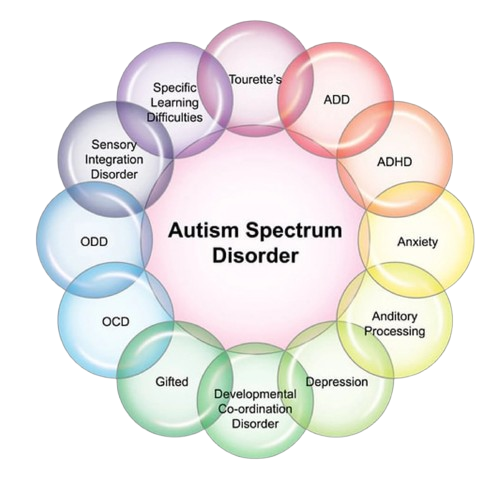
The “biomedical” approach to autism focuses on the theory that Autism Spectrum Disorder (ASD) is not just a neurological difference, but a systemic biological condition involving various physiological imbalances.
As of 2026, research has shifted toward Precision Medicine, using tools like RNA sequencing and neuroimaging to identify specific biological “subtypes” of autism.
1. The Gut-Brain Axis
This is currently one of the most active areas of research. Studies show that a significant percentage of individuals with autism experience gastrointestinal (GI) issues, which often correlate with the severity of behavioral symptoms.
- Microbiome Diversity: Individuals with ASD often show a lower ratio of Bacteroidetes to Firmicutes. Recent longitudinal studies (2025–2026) have linked specific changes in gut bacteria to shifts in social withdrawal and repetitive behaviors.
- Targeted Therapies: Emerging treatments include Microbial Transfer Therapy (MTT) and enzyme-based therapies (like CM-AT) aimed at improving protein digestion, which may indirectly influence neurological function.
2. Mitochondrial & Metabolic Factors
Mitochondria are the “powerhouses” of the cell, and dysfunction here can affect energy-hungry organs like the brain.
- Energy Homeostasis: Research published in 2026 highlights a link between Nerve Growth Factor (NGF) and “overloaded” mitochondria in ASD, suggesting that the brain’s developmental needs might be outstripping its energy supply.
- Bio-markers: Between 30% and 50% of children with ASD show biomarkers for mitochondrial dysfunction. This can manifest as fatigue, motor delays, or seizures.
- Supplementation: There is ongoing clinical interest in “mitochondrial cocktails” (L-carnitine, CoQ10, and B vitamins) to support energy metabolism and reduce oxidative stress.
3. Neuroinflammation & Immune Dysregulation
The biomedical model views the “autistic brain” as one that may be in a state of chronic low-grade inflammation.
- Microglial Activation: Glial cells (the brain’s immune cells) are often found to be overactive in ASD. This leads to an overproduction of cytokines, which can disrupt normal neuronal signaling.
- Oxidative Stress: Many individuals with ASD have lower reserves of glutathione, the body’s master antioxidant, making them more susceptible to environmental toxins and metabolic stress.
4. Genetic & Precision Interventions
While autism has a strong genetic component (e.g., SHANK3, FMR1 genes), the focus is moving toward how these genes interact with the environment.
- Gene Editing: Early trials are exploring ways to “silence” specific genetic variations that disrupt brain development.
- TMS: Transcranial Magnetic Stimulation is being used to non-invasively stimulate underactive brain regions responsible for social interaction and emotional regulation.