
When people think about health, they often focus on the heart, lungs, or brain—but one of the most powerful systems in the body is often overlooked: the gut.
You may have heard the phrase, “The gut is your second brain.” While it sounds surprising, modern research continues to show that your digestive system plays a much bigger role than simply processing food. Your gut directly communicates with your brain and can influence your mood, emotions, immunity, and overall well-being.
At Wishful Healing, we believe true wellness begins from within, and understanding the gut-brain connection is an important step toward better health.
What Is the Gut-Brain Connection?
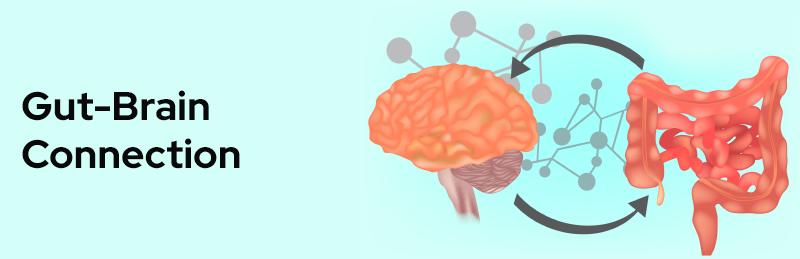
The gut-brain connection refers to the two-way communication system between your digestive tract and your brain.
This communication happens through:
- The nervous system
- Hormones
- The immune system
- Gut bacteria (microbiome)
Your gut constantly sends signals to your brain, and your brain responds back. This relationship can affect both physical and emotional health.
Why Is the Gut Called the Second Brain?
Your digestive system contains a complex network of more than 100 million nerve cells known as the enteric nervous system (ENS).
Because of this extensive network, the gut can operate independently to perform digestive functions and communicate with the brain continuously.
Although the gut does not think or make decisions like the brain, it plays a major role in regulating how your body feels and functions.
How Gut Health Affects Mental and Emotional Well-Being
Many people are surprised to learn that the gut influences more than digestion.
A healthy gut may support:
- Better mood balance
- Improved focus and concentration
- Reduced stress response
- Better sleep quality
- Stronger immune function
- Higher energy levels
In contrast, an unhealthy gut may contribute to discomfort, low energy, and changes in emotional well-being.
The Role of Gut Bacteria
Your digestive system is home to trillions of microorganisms collectively known as the gut microbiome.
These beneficial bacteria help:
- Digest food
- Produce important nutrients
- Support immunity
- Maintain digestive balance
- Influence communication between the gut and brain
Maintaining healthy gut bacteria may support overall wellness.
Signs Your Gut May Need Attention
Some common signs of digestive imbalance include:
- Bloating
- Gas
- Constipation
- Digestive discomfort
- Food sensitivities
- Fatigue
- Difficulty sleeping
These symptoms may indicate that your body could benefit from better digestive support and lifestyle changes.
Ways to Support a Healthy Gut
Small daily habits can make a meaningful difference.
Eat More Whole Foods
Choose fruits, vegetables, healthy fats, and fiber-rich foods.
Stay Hydrated
Drinking enough water supports healthy digestion.
Reduce Processed Foods
Highly processed foods may affect digestive balance.
Manage Stress
Stress can influence digestion and overall gut function.
Prioritize Sleep
Quality sleep supports both brain and digestive health.
A Holistic Approach to Wellness
Supporting the gut means supporting the body as a whole. Nutrition, lifestyle choices, stress management, and digestive balance all work together to promote long-term well-being.
At Wishful Healing, we encourage individuals and families to focus on natural wellness approaches that support both gut and overall health.
Your gut does much more than digest food—it communicates with your brain every day and plays an important role in overall wellness. Understanding the gut-brain connection can help you make healthier choices and support your body naturally.
If you need any additional help, please call +91-7973909015 to book a consultation.